Description
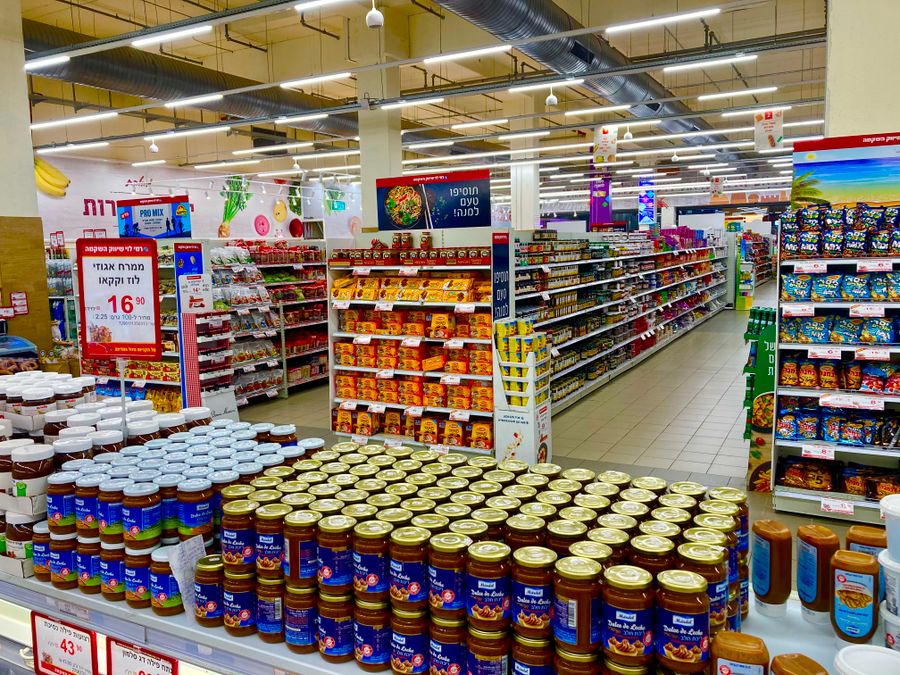
Best fit: multi site retail chains, supermarkets, in mall stores, hotel and restaurant groups, pharmaceutical and logistics warehouses, and any operation where lighting, HVAC and refrigeration loads must be run with the same discipline from one branch to the next.
Store energy automation brings the lighting, climate and refrigeration loads of a retail site under a single control layer. What one manager can do by hand in a single shop — switch the lights on at opening, turn the air conditioning off at closing, change the scenario for a weekend — stops being sustainable as the number of branches grows. The real job of automation is not to throttle equipment, but to make operational discipline independent of who happens to be on shift.
Energy is not managed until it is measured, so the first step of a project is not replacing equipment but separating loads. Once lighting, climate, refrigeration and socket circuits are metered separately, the bill stops being a single total and becomes a map of behaviour. The base load that continues to be drawn while the store is closed is the most instructive part of that map: it shows whether the closing routine is actually followed and which equipment never stops.
On the climate side the most expensive loss is heating and cooling working against each other in the same space. Automation locks the setpoints, places a dead band between heating and cooling, prevents units from running into an open door, and brings the space up in stages before opening. A setpoint that shifts with outdoor conditions shortens the time equipment spends at full output without touching comfort: the customer does not notice the difference, the bill does.
In a food retail site refrigeration is both the largest load and the most exposed one. Continuous monitoring of cabinet and cold room temperatures, moving defrost cycles out of peak hours, reading condenser fouling from the change in current drawn, and turning door and gasket leaks into alarms all belong to this layer. Here automation protects product safety before it protects energy; the energy saving comes second.
In a multi site business the real value of automation is comparison. Two branches built to the same format should behave alike; the branch that diverges is showing a fault, a drifted setting or a scenario that has been overridden by hand. For that to work, the local controller must keep running its scenario when the central link drops, store staff must be trained at handover, and it must be defined from the outset who is allowed to change which setting. Automation that nobody owns is switched off by hand within a few months.
Key Features
- Central control of lighting, climate and refrigeration loads from a single interface
- Lighting scenarios driven by trading hours, daylight and occupancy
- Setpoint lock and dead band that stop heating and cooling fighting each other
- Continuous cabinet and cold room temperature monitoring with door and defrost alarms
- Separate sub metering of lighting, climate, refrigeration and socket circuits
- Comparative consumption reporting across branches, flagging the site that diverges
- Local controller keeps running the scenario when the central link is lost
How to Choose
- Number of branches and format consistency: identical layouts let one scenario be replicated, mixed formats need a separate schedule per store type.
- Existing equipment: whether the air conditioning units, refrigeration controllers and lighting drivers are open to communication; closed protocol devices need an additional interface.
- Depth of measurement: a single meter at the incomer, or sub meters split by load group — this decides how useful the reporting can be.
- How critical refrigeration is: where food or medicine is stored, the alarm chain, who is notified within what time, and the fallback behaviour are defined up front.
- Connectivity and permissions: continuity of the branch data link, authorisation of remote access, and the expected local behaviour when the link drops.
- Operational ownership: who reads the report, how a scenario change is approved, and staff training after commissioning.
Get a free site survey and a quote for your project: (0501) 557 80 89 · bilgi@projenza.com

Reviews
There are no reviews yet.