Description
Industrial plants, workshops and production lines, hotel and restaurant kitchens, hospital and pharmaceutical warehouse boiler rooms, chain store branches, schools and public buildings, residential boiler rooms.
A natural gas installation is an uninterrupted chain running from the network connection all the way to the burner of the appliance. The service box and pressure reducing regulator, the meter assembly, the distribution line, the appliance connection components and the flue and ventilation arrangement are not independent parts; when one of them is chosen wrongly, the safety of the whole system is affected.
Equipment selection starts from the pressure stage. Gas arriving from the network is reduced by a regulator to the operating range of the appliance; the capacity and the safety functions of that regulator, namely shut-off and relief, are determined so that the instantaneous demand of the appliance at the far end of the line is still met. The more stages there are, the more critical pressure drop calculation and pipe sizing become.
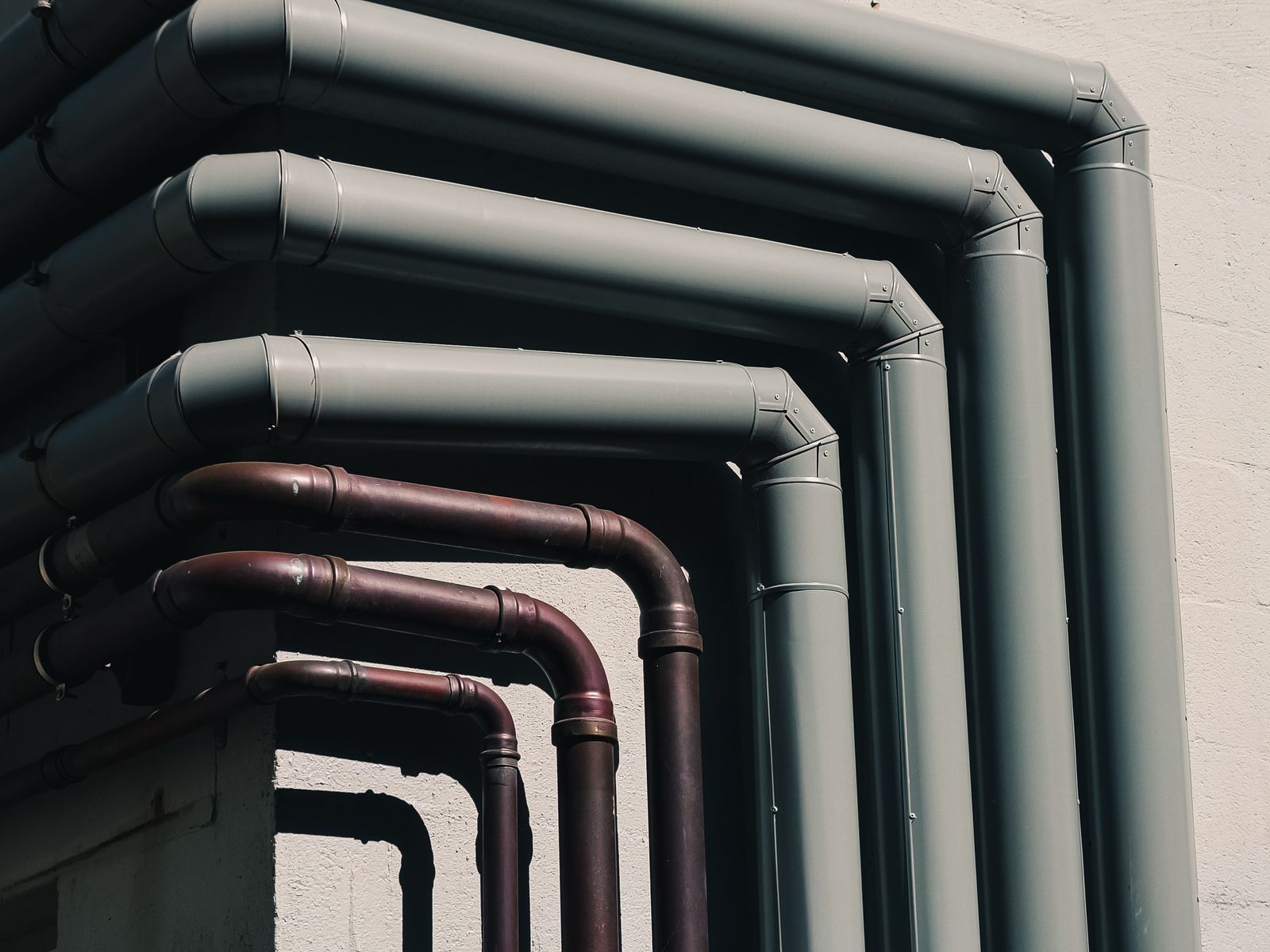
Pipe material and jointing method change with the environment the line passes through. Exposed lines commonly use steel pipe with welded joints; at the appliance, flexible connectors permitted by the regulations are used. Concealed passages call for a protective sleeve, and wet areas and outdoor runs additionally require corrosion protection.
The work does not end when the pipework is finished. Tightness testing, gas commissioning approval and start-up form a separate procedure. Periodic inspection verifies the tightness of the joints, the condition of the regulator and filter, the combined operation of the gas detector and the solenoid valve, and that the ventilation openings have stayed clear.
Key Features
- Service box, pressure reducing regulator and meter connection assembly
- Steel, copper and flexible connectors permitted by the regulations
- Ball valves, filters and safety shut-off components
- Gas detector working together with a solenoid, that is an automatic shut-off valve
- Compensation solutions for thermal expansion and vibration
- Protective sleeving in concealed passages and where the line crosses structural elements
- Tightness testing, gas commissioning and start-up support
- Periodic inspection of tightness and of the safety components
How to Choose
- Total instantaneous gas demand of the appliances to be connected and whether they run simultaneously — pipe diameter and regulator capacity follow this demand
- The environment the line will pass through: exposed, concealed, wet area or outdoors — material and protection method change accordingly
- Ventilation and flue arrangement of the space — combustion air and flue gas discharge directly limit equipment selection
- The project approval and gas commissioning procedure of the distribution company, and the licensed contractor requirement
- How much downtime the operation can tolerate — whether the line can be sectioned with isolation valves for maintenance and faults
Get a free site survey and a quote for your project: (0501) 557 80 89 · bilgi@projenza.com

Reviews
There are no reviews yet.